


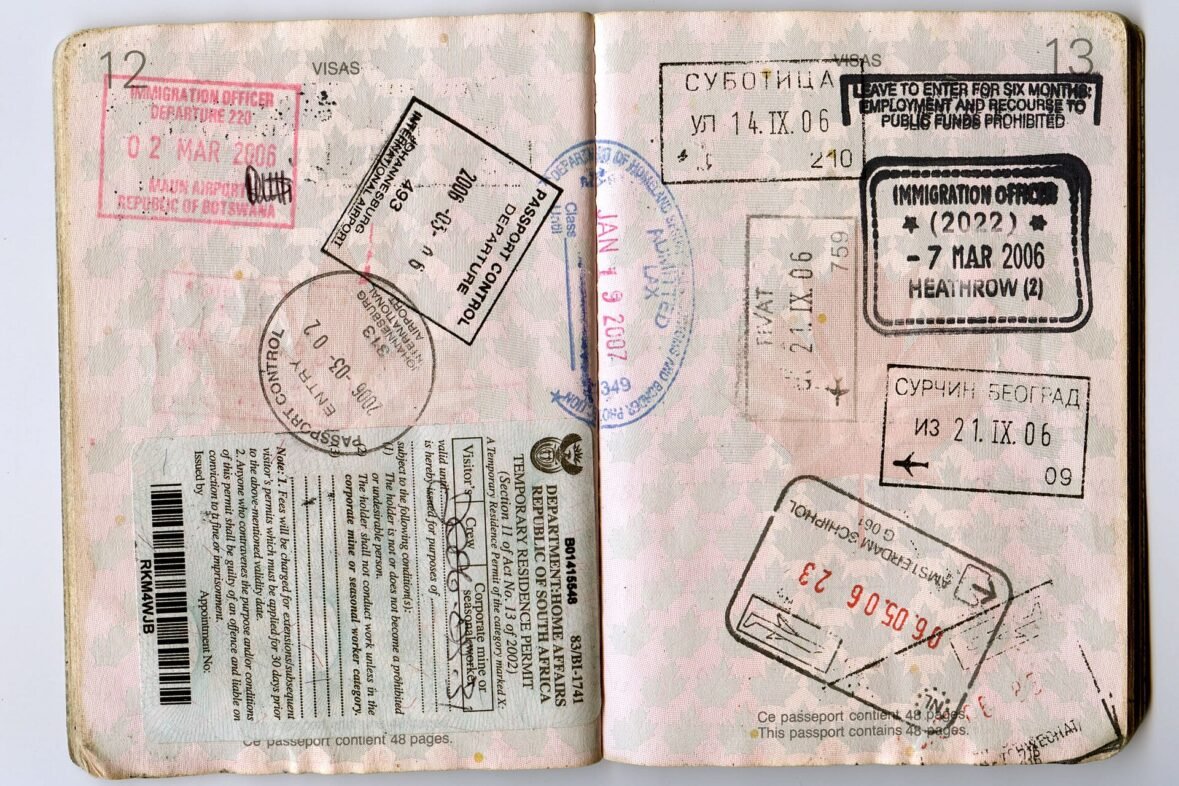
A valid US visa in your passport still works today. A new application from a listed country may not. That gap sits at the center of the US entry limits that took effect on 1 January 2026. They now reach 39 countries, and by our count 26 of them are in Africa.
This guide covers what the rules say, who is exempt, and how to plan around them. It is general information, not legal advice. For your own case, speak to a licensed immigration attorney.
What the US entry limits do
Proclamation 10998 was signed on 16 December 2025. The Federal Register published it on 19 December. It took effect at 12:01 a.m. Eastern on 1 January 2026. It builds on an earlier order from June 2025.
The text sets two tiers. Under full suspension, the US blocks both immigrant and nonimmigrant entry. Under partial suspension, it blocks immigrant visas, plus visitor (B-1 and B-2), student (F and M) and exchange (J) visas. For other nonimmigrant visas, consular officers must shorten validity where the law allows (Section 5 of the proclamation). Turkmenistan is the one outlier. Only its immigrant visas are suspended.
Which countries face the US entry limits
The State Department lists 19 countries under full suspension, 19 under partial suspension, and Turkmenistan. It also covers people who hold Palestinian Authority travel documents. By our count of that list, 26 countries are African. The American Immigration Council names Nigeria as the most affected country. Nigerians averaged about 128,000 immigrant and nonimmigrant visas a year, it reports.
Full suspension covers these African countries: Burkina Faso, Chad, the Republic of the Congo, Equatorial Guinea, Eritrea and Libya. It also covers Mali, Niger, Sierra Leone, Somalia, South Sudan and Sudan.
Partial suspension covers these African countries: Angola, Benin, Burundi, Côte d’Ivoire, Gabon, The Gambia, Malawi, Mauritania, Nigeria, Senegal, Tanzania, Togo, Zambia and Zimbabwe.
The list also reaches the wider diaspora. Haiti sits under full suspension. Cuba, Dominica, Antigua and Barbuda, and Venezuela sit under partial suspension. The rules follow the passport you hold.
US entry limits and your family plans
Family is where the shift hurts most. The June 2025 order exempted immigrant visas for immediate family. The December order removed that exemption, according to the State Department. That covers spouses, children and parents of US citizens in categories such as IR-1 and CR-1. Adoption visas lost their blanket exemption too.
Section 6 of the proclamation holds no general family exception. The only mention of “immediate relatives” covers people traveling with athletes at major sporting events.
Two doors remain. The Secretary of State, the Secretary of Homeland Security or the Attorney General can grant case-by-case national interest exceptions. The State Department publishes no application steps for them, so do not build a plan around one. For adoptions, it says children adopted by Americans may qualify, and families should follow the normal process.
Waiting also costs money. If you support relatives while a case sits, our guide to remittance costs shows how to cut transfer fees.
US entry limits and your study and work plans
Students feel the partial tier first. F, M and J visas are suspended for nationals of the 19 partial-suspension countries. A place at a US university does not guarantee a visa. Full suspension covers every nonimmigrant category, so work visas such as the H-1B are included.
Work visas fare better under the partial tier. They are not suspended, but their validity gets shorter. A shorter visa means more renewals and more consulate trips. Budget for both.
Exceptions help a narrow group. Lawful permanent residents are exempt. So are dual nationals who travel on a passport from an unlisted country. Holders of diplomatic and international organization visas (A, G and NATO classes) are also exempt under Section 6(b).
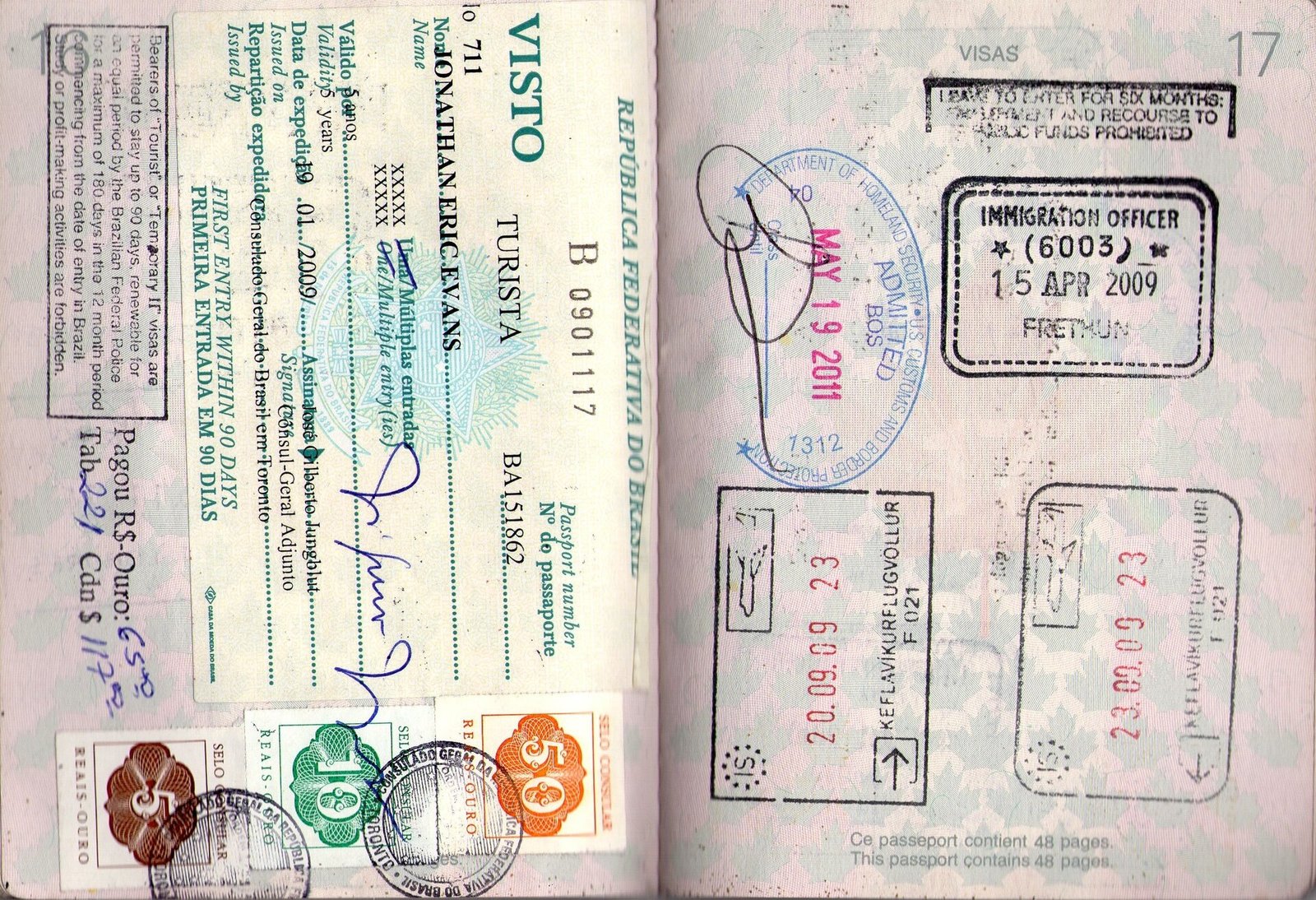
Valid visas stay valid. Section 8(c) says visas issued before the effective date shall not be revoked under the proclamation. The limits apply to people outside the US on 1 January 2026 without a valid visa. Even so, Constangy, a US law firm, notes that a visa does not guarantee admission. Travelers from listed countries may face longer questioning at the port of entry. The same firm advises people from affected countries to consult an immigration attorney before any international trip, even with a valid visa.

What courts and agencies add
Other measures sit on top of the proclamation. The Immigration Policy Tracking Project reports that USCIS placed holds on benefit applications from listed nationals on 1 January. It also reports that a federal court in Rhode Island set aside several of those policies on 5 June 2026. On 14 August, an appeals court paused part of that ruling.
A separate State Department pause on immigrant visas for 75 countries began on 21 January 2026, according to NAFSA. One tracker, USAPEDIA24, reports that a judge vacated that pause on 21 August. It adds that the government has asked the Second Circuit to stay the ruling. We could not check the court dockets ourselves. Treat every court status as a snapshot.
Will the list change?
The proclamation orders the Secretary of State to report every 180 days (Section 7). The report recommends whether to continue, change or end the limits. By our count, the first report fell due around 14 June 2026. We found no public outcome. NAFSA reports no country-list changes after 1 January, and the State Department page was last updated on 2 February 2026. Check travel.state.gov before you pay any fee.
A plan you can use this month
Start with five checks.
- Find the country on your passport in the State Department list.
- Check whether your visa was issued before 1 January 2026.
- Ask your school, employer or sponsor what they will do if a visa is refused.
- Book any consulate interview only after you confirm your category is not suspended.
- Keep copies of your visa, approval notices and receipts in one folder.
Global careers run on long timelines. The path of Navi Pillay, from a Natal law practice to the Nobel Peace Prize, took decades.
The rules follow nationality, and your plans follow your calendar. Which of your next twelve months depends on a visa decision you have not yet made?
All stats are verified and cited.