

Fela Kuti’s protest album returns for the Zombie 50th anniversary as a limited vinyl with a fashion partner, and the sources behind the release leave one question open: who gets paid.
One thousand. That is how many copies of the Zombie 50th anniversary vinyl Partisan Records is pressing, according to the label and to OkayAfrica.
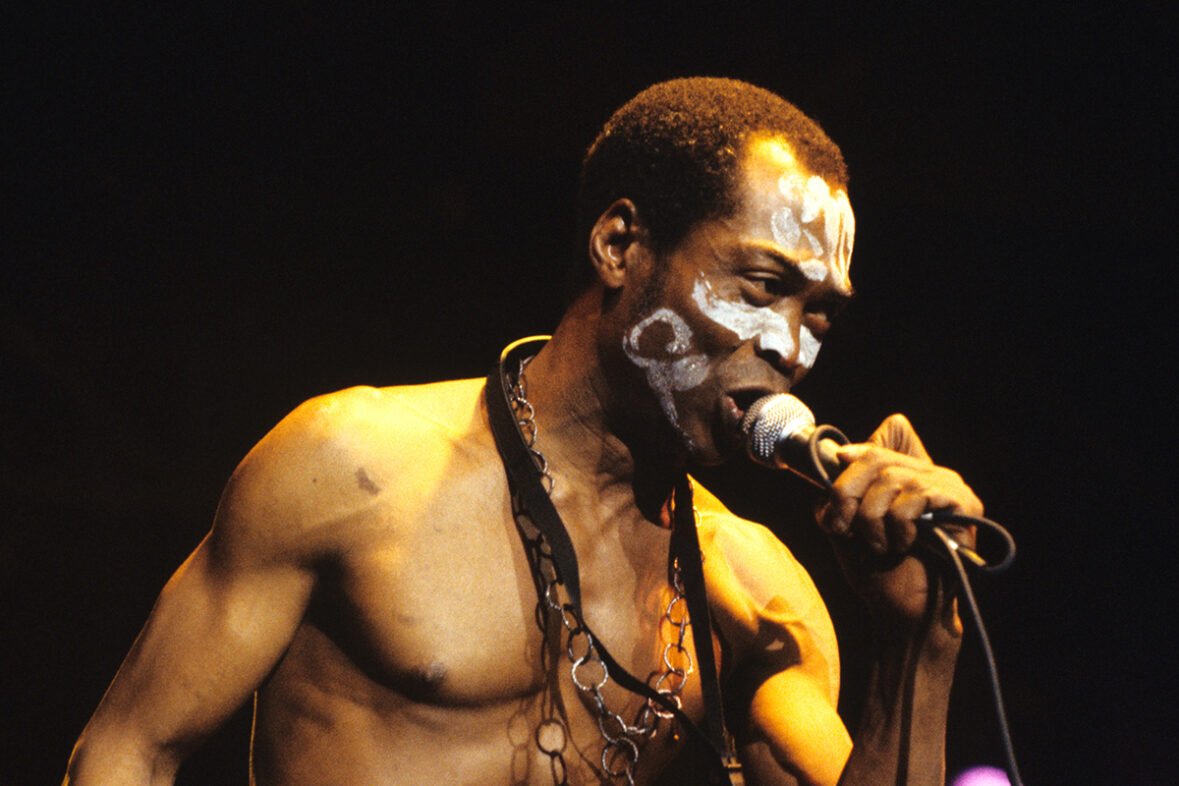
Fela Kuti released the album in Nigeria in 1976. The title track satirized soldiers as brainwashed men who obey orders blindly. The military government did not enjoy the joke. In 1977 a state-backed raid hit his Lagos compound, the Kalakuta Republic. His mother, the activist Funmilayo Ransome-Kuti, died the following year. Accounts of how she died differ. Britannica cites complications from a fall. Graphic Online reports she was thrown from a window and later died of her injuries.
The album came out through Coconut Records in Nigeria, with a UK release on Creole Records in 1977. Its songs included “Mister Follow Follow” and “Observation Is No Crime.” Graphic Online also lists “Mistake,” recorded live at the 1978 Berlin Jazz Festival.
Fifty years on, the same record is a limited collectible with a clothing label as partner. The route from one to the other is worth tracing. It also raises a fair question about why a protest record still sells. Africa.com, summarizing an AP report in June, argues the album still resonates because the problems it named, including poverty and elite impunity, persist. The article also cites 63 percent of Nigerians living in multidimensional poverty.
The plaques
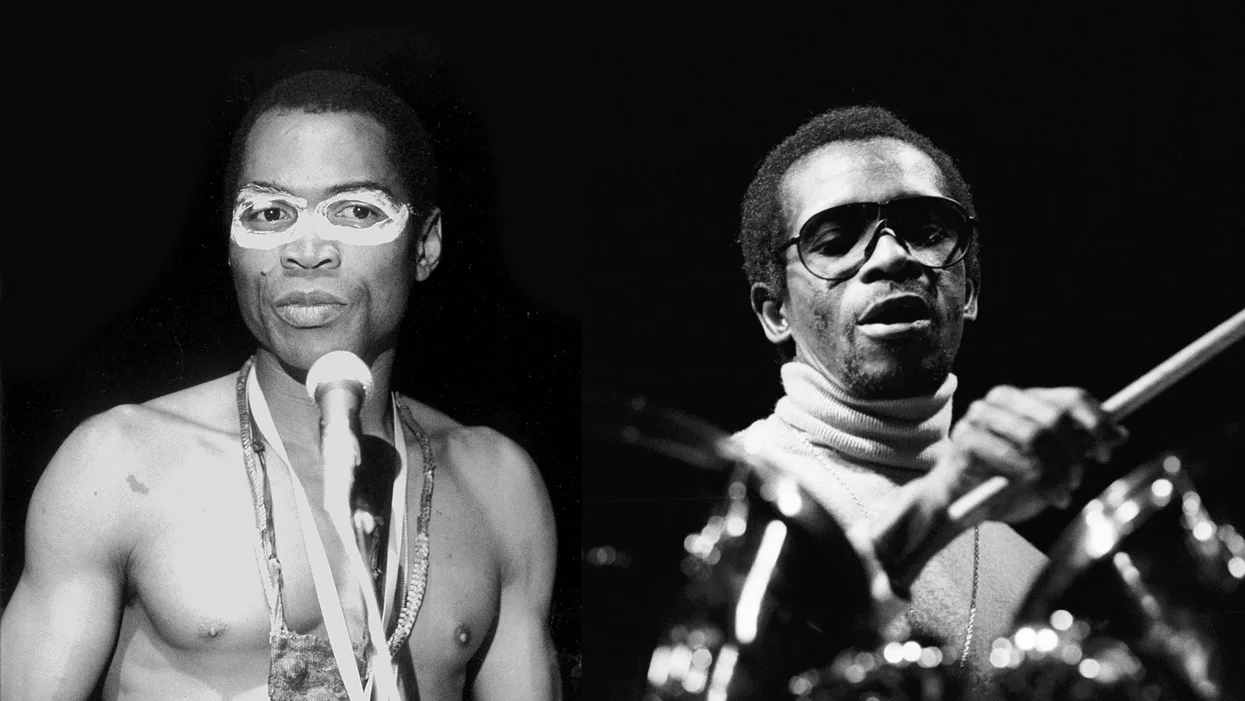
Fela died in 1997. Since 2025 his work has collected a run of honors.
In June 2025, Graphic Online reported that Zombie had entered the Grammy Hall of Fame, calling it the first Nigerian album inducted. A Shore Fire Media release on the Lifetime Achievement Award uses the same description.
On Saturday 31 January 2026, Fela received the Recording Academy’s Lifetime Achievement Award at the Special Merit Awards ceremony. The event took place at the Wilshire Ebell Theatre in Los Angeles. His children Femi, Yeni and Kunle Kuti accepted. “Thank you for bringing our father here,” Femi said, according to Channels TV. Channels and Graphic Online both describe Fela as the first African recipient. The Shore Fire release on the award does not make that claim, so treat it as the outlets’ description.
In April, NPR reported that Fela would enter the Rock and Roll Hall of Fame in the musical influence category, as the first African pop star inducted. NPR adds a clarification: the Rock Hall inducted other African-born musicians, including Freddie Mercury and Dave Matthews, as members of groups formed on other continents. The TV on the Radio singer Tunde Adebimpe told NPR, “Fela for me is the chapter heading in my musical education.”
A man the Nigerian state raided and jailed now collects plaques from the Recording Academy and the Rock and Roll Hall of Fame. Plaques are lovely. Still, they do not pay rent.
The Zombie 50th anniversary vinyl
Here is what the 1,000-copy Zombie 50th anniversary edition looks like in practice. The Partisan Records page for the Fela Kuti and Denim Tears collaboration says the collaboration reimagined the packaging to connect with Lagos and the New Afrika Shrine, using photographs by Bolaji Alonge. It pays homage to Lemi Ghariokwu’s original cover design. The designer behind Denim Tears, Tremaine Emory, says of Fela: “Fela is one of the most inspiring artists of any genre of art to me that has ever existed.” The Partisan page adds that Emory also DJed a party with his brother Acyde around the Grammys earlier this year.
Where to buy the vinyl
The channels are specific. Dover Street Market London, Turntable Lab in the United States and the online stores of Partisan Records and Fela Kuti carry the vinyl. Only Denim Tears, Dover Street Market and its online shop sell the T-shirt. Dover Street Market London hosts events from 14 to 18 October, with an invitation-only evening on 15 October, which would have been Fela’s 88th birthday.
OkayAfrica reports a 9 October release date for the vinyl and says a second 50th anniversary edition, for the album Expensive Shit, follows on 20 November, also through Partisan Records. Together, two editions in six weeks make this a release calendar. However, neither page lists a price.
What creators can take from the Zombie 50th anniversary
TIME AFRICA reads this story through AfroNouveau, a cultural positioning framework for globally minded Africans and people of African descent. For a creator, then, the useful part is the mechanics.
A catalog is a product line that keeps shipping. Zombie is 50 years old and has its own retail map: a London store, an American record shop, two online storefronts and a clothing partner. The music stayed the same. Instead, a new package and a partner gave it a fresh shape, and a print run of 1,000 gave it scarcity. Any musician, photographer or writer with a back catalog can borrow that design.

The money question
Attention and income are different things, though, and the sources opened for this piece say nothing about where the money from this edition goes. Nothing in them states who holds the rights to Zombie or how revenue from a 1,000-copy run is divided.
The wider picture explains why that question matters. OkayAfrica cited the IFPI, the recorded music industry body, as putting Sub-Saharan Africa’s recorded music revenue at $110 million in its 2025 report. That is less than 0.4 percent of the $29.6 billion global total. The same article, citing CISAC, the international authors’ society body, puts African royalty collections at 90 million euros, 0.7 percent of the global figure. Both come second-hand, so check the primary reports before anyone builds a business plan on them. TIME AFRICA has also examined the ownership gap in its feature “Eighty Percent: Inside the Black Music Ownership Gap.”
Before you license anything, ask four questions:
- Who holds the master recordings, and who holds the publishing?
- How is revenue from a limited edition split, and who audits it?
- Which retailers carry the product, and who sets the price?
- What does the partner bring that you cannot bring yourself?
Fela’s catalog has the honors. Whether it has the terms is a question for whoever holds the rights. For the ownership side of the story, read TIME AFRICA on the difference between building wealth and building someone else’s.
The short leash
Fela sang about men who followed orders without thinking. Fifty years later, the only thing on a short leash is the print run. Watch what the people who made the music, and the people who inherit it, are paid once those 1,000 records are gone.
All stats are verified and cited.