

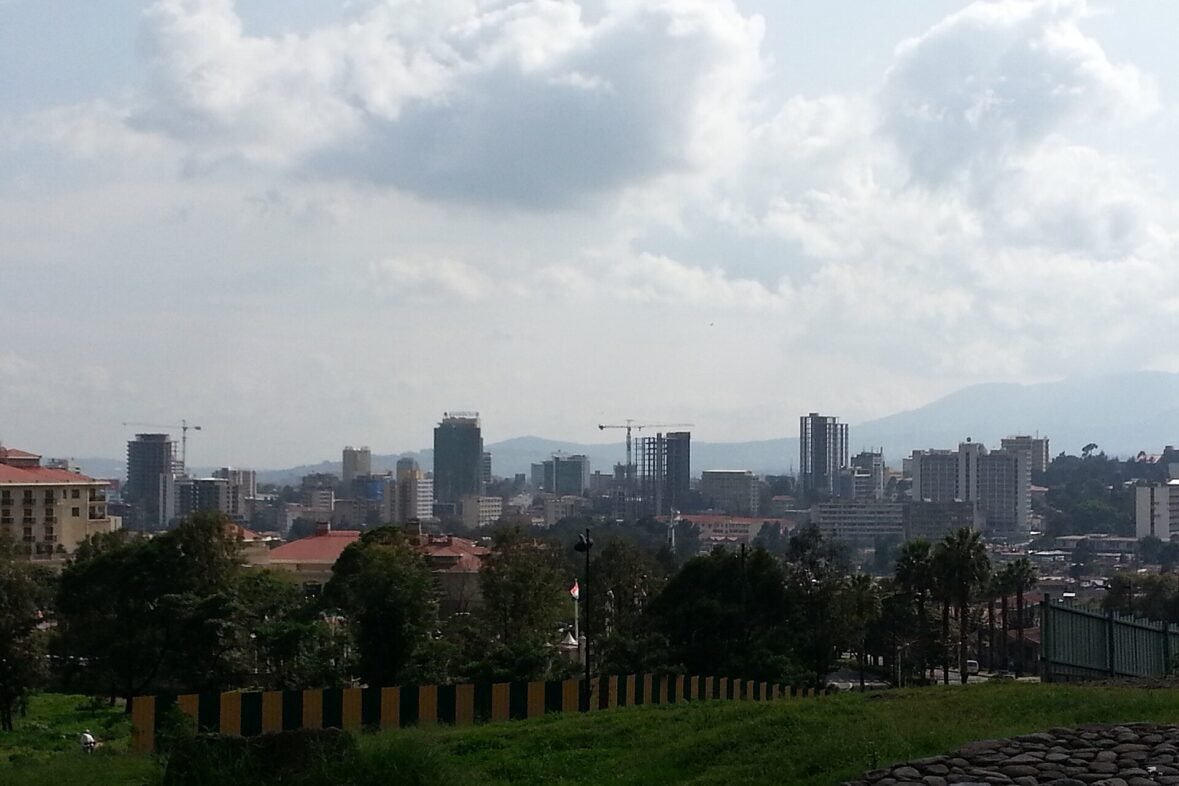

Ethiopia opened its first gold refinery on Saturday 10 October 2026. The Ethiopia gold refinery arrives after a record year for the country’s mining exports. The Ministry of Mines said mining export revenue topped $5.7 billion in the fiscal year that ended on 7 July. Gold brought in $5.65 billion of it. Commercial and artisanal miners together produced 44 tonnes of gold.
Prime Minister Abiy Ahmed announced the plant, called the National Precious Metals Refinery. It sits in the Bole Lemi Special Economic Zone in Addis Ababa. A country that earns billions from a metal now has a place to melt, test and cast it at home. Reuters, citing government data, put gold export earnings at $5.6 billion last year, close to the ministry’s figure. That is the headline. However, the numbers underneath it are more interesting.
What the Ethiopia gold refinery has confirmed
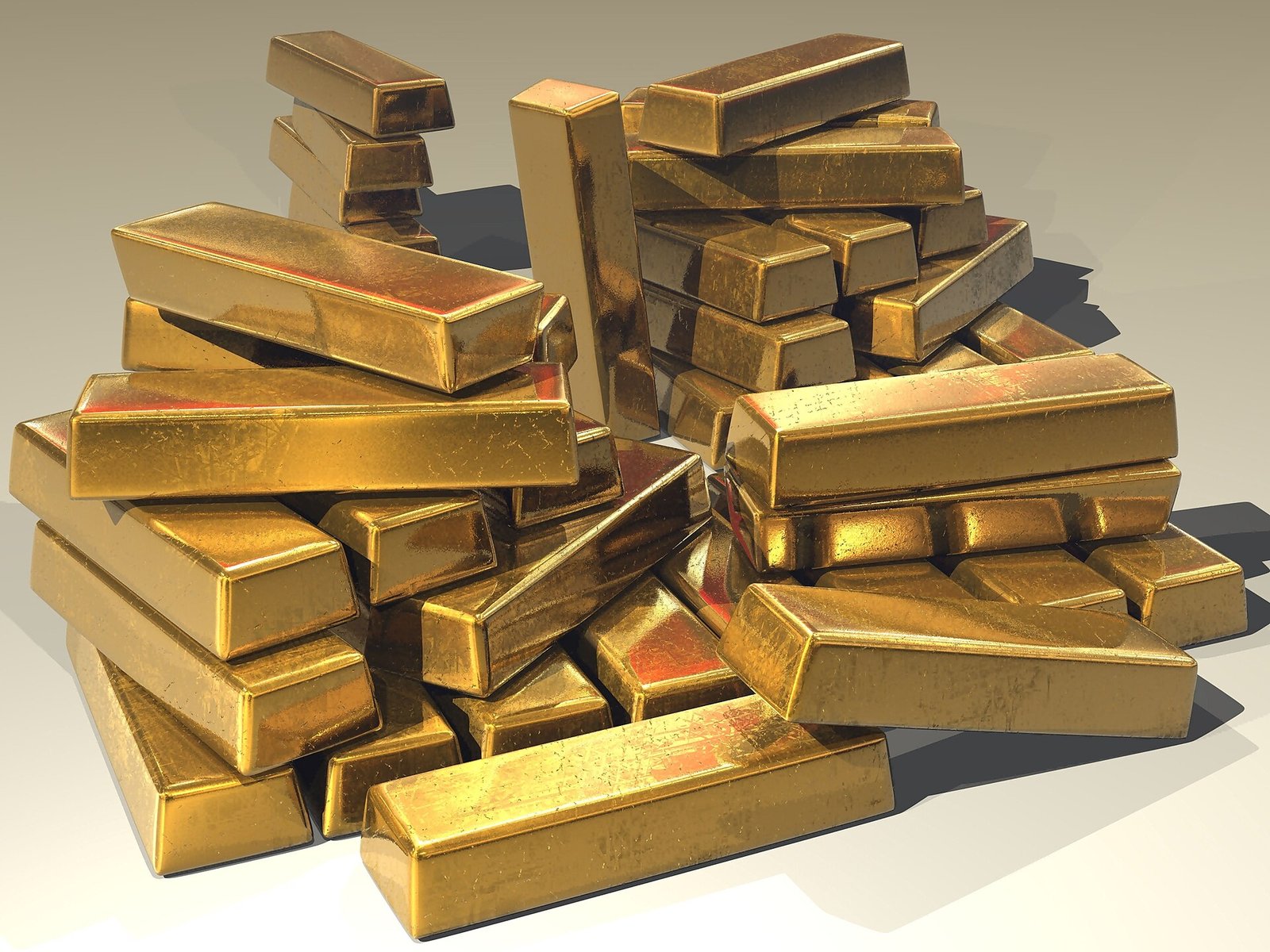
Reuters reported the launch on 12 October. It said the initial investment is $50 million. The project is a joint venture, and state-owned Ethiopian Investment Holdings holds the majority stake. The Ethiopia gold refinery will offer melting, testing, refining, casting, bar minting and die-making. In addition, Abiy said it will process gold from Ethiopia and from other countries.
The Ethiopian News Agency (ENA), the state wire, reports a 51 percent Ethiopian share and a 49 percent share for an international partner. ENA does not name the partner. However, Capital Ethiopia and BeninWebTV do. They name Sam Precious Metals, which BeninWebTV says is headquartered in Dubai with a presence in Cairo.
Dawan Africa reports that neighbors and regional mining firms can send gold to Ethiopia for refining, quality certification and further processing before sale. Reuters quotes Abiy on the aim of “eliminating the need to export it outside the continent.” ENA quotes him saying the aim is “to gradually reduce and replace the practice of exporting raw materials.” In addition, he said raw gold carries other valuable metals, such as silver, that can be lost as waste without adequate refining.
The Ethiopia gold refinery capacity claim needs a second source
ENA reports that the refinery can process more than 600 tonnes of precious metals a year. It does not say how much of that is gold. Still, other outlets repeat the figure. BeninWebTV notes it is design capacity, not volume refined since launch. By contrast, Reuters gave no capacity figure at all.
For comparison, set that beside the ministry’s 44 tonnes of gold. The comparison is rough, because the 600 covers precious metals and the 44 covers gold alone. In TIME AFRICA arithmetic, 600 divided by 44 is about 13.6. A refinery sized for 600 tonnes in a country that mined 44 is either a bold bet on its neighbors or an optimistic spreadsheet. Both readings stay open until an independent source confirms the number.
Still, the bet reading has some support. Burkina Faso opened its first gold refinery, Raffinor BF, in Ouagadougou in late September. Miningmx, citing Bloomberg, reports a $19 million build with an initial capacity of 164 tonnes of gold a year. Later, a second phase is planned to reach 515 tonnes. Burkina Faso produced 94 tonnes last year, according to its mines ministry. By TIME AFRICA arithmetic, 164 divided by 94 is about 1.7.
Two refineries are a small sample. Even so, both look built for a neighborhood, and the neighborhood is crowded. Miningmx reports that Ghana stopped exports of unrefined gold from small-scale miners in September. Guinea banned raw gold exports in June. Mali is building a refinery with Russia’s Yadran Group, and Ivory Coast plans one for the first half of 2027. So everyone wants the same gold.
What decides whether the Ethiopia gold refinery works
A refinery is a building until buyers accept its bars. African Leadership Magazine lists what the long-term impact depends on: reliable electricity, transparent and responsible sourcing, internationally recognized quality standards, sound environmental practice and effective regulation. None of that is a ribbon-cutting item. Yet all of it takes years.
Next, feedstock is the other test. A refinery that takes gold from several countries must win the trust of several governments and miners at once. The sources do not say whether neighbors will route their gold through Addis.
ENA says domestic processing is expected to create jobs and raise foreign exchange earnings, with no figures attached. None of the sources we opened state what the refinery charges for its services. Until that is public, the claim that more value stays at home is a promise with no measurement behind it.
A four-question scorecard for any refinery launch
You can run the same scorecard on any refinery announcement, in Addis or anywhere else:
- Who owns it, and in what split?
- What is the stated capacity, and does it cover gold alone?
- Whose gold will it take, and which quality standards do buyers accept?
- What does it charge, and who audits the sourcing?

So if a launch story answers all four, it is reporting. If it answers one, it is a press release.
What the Ethiopia gold refinery means for your career
TIME AFRICA reads this story through AfroNouveau, a cultural positioning framework for globally minded Africans and people of African descent. The professional read follows from how refining works.
A raw gold exporter sells weight. In contrast, a refiner sells trust. The product is a bar that a buyer in another country will accept without asking where it came from. People build that trust. They run assays, document each batch and keep records that auditors can follow.
The following is a TIME AFRICA inference, not a statement from the sources. If a refinery takes gold from several countries, it generates paperwork in several countries. As a result, compliance and trade finance professionals, whether they sit in Addis or Atlanta, will see that paperwork first. Anyone in a diaspora city who can read a chain-of-custody record has a skill this industry needs.
There is also a plain business lesson, the same one in our piece on the difference between building wealth and building someone else’s. Ethiopia’s record gold earnings came from selling a commodity. Instead, refining is an attempt to sell a service on top of it. Ask which part of your product is the raw material, and which part is the trust that goes with it. For more on building value that lasts, read our AfroNouveau100 profile of Efosa Ojomo.
The next number to watch
Xinhua reports that the government aims for $6.7 billion in mining export revenue in 2026/27. The next number to watch is smaller and more telling. How many tonnes arrive at Bole Lemi from Ethiopian mines, and how many from across the border, once the doors are open?
All stats are verified and cited.